
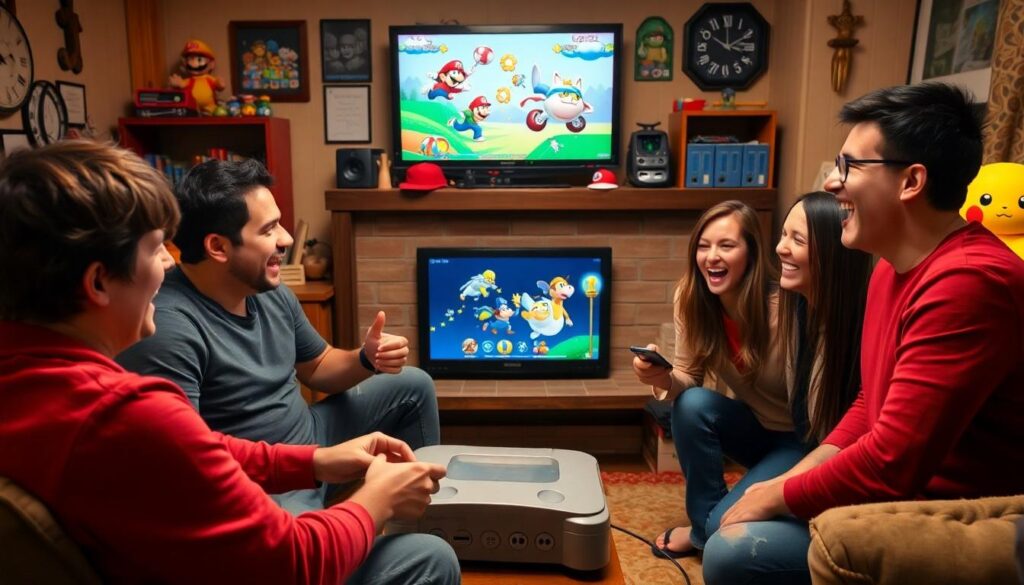

In the late ’90s, a gaming revolution was brewing, and it all kicked off with one unforgettable title: Super Smash Bros. Released in 1999, this quirky brawler brought together beloved Nintendo characters for an all-out, no-holds-barred showdown. Imagine Mario and Pikachu teaming up to take down Link while Donkey Kong throws barrels like a caffeinated gorilla. It was chaos, it was fun, and it was the start of a legacy.
Overview of Super Smash Bros 1999
Super Smash Bros emerged as a groundbreaking multiplayer fighting game in 1999. Nintendo designed this title to bring together beloved characters from its expansive universe. Players engage in fast-paced battles featuring iconic figures such as Mario, Link, and Pikachu. Each character possesses unique abilities that enhance gameplay variety, ensuring a fresh experience with every match.
Gameplay mechanics emphasize simple controls combined with strategic depth. Players can utilize various items and stage hazards, creating dynamic and unpredictable encounters. The focus on platforming elements differentiates it from traditional fighting games, introducing a unique approach to combat.
Up to four players can join in the action, promoting a competitive yet friendly atmosphere. Local multiplayer matches became a staple, inviting friends and family to battle together. Back in 1999, such multiplayer options were a novelty that contributed to the game’s widespread appeal.
Super Smash Bros attained critical acclaim, with reviewers praising its innovative gameplay and character roster. The game solidified Nintendo’s reputation for creating engaging experiences. Sales figures exceeded 5 million copies worldwide within a few years, showcasing its immense popularity.
Influence extended beyond the Nintendo 64 console, laying the groundwork for subsequent titles and new generations of players. The legacy of Super Smash Bros influenced game design and multiplayer gaming culture. As such, it remains a defining title in the history of interactive entertainment.
Gameplay Mechanics

Super Smash Bros features engaging gameplay mechanics that revolutionize multiplayer fighting games. Players enjoy a blend of simplicity and depth, allowing for thrilling interactions.
Character Selection
Character selection plays a crucial role in the game’s appeal. Players can choose from a diverse roster, including iconic figures like Mario, Link, and Pikachu. Each character possesses unique abilities and playstyles, enhancing strategy during battles. Unlockable characters encourage exploration and reward perseverance. Familiarity with characters often influences player preference, adding a personal touch to gameplay experiences. Game mechanics also create a balance among characters, ensuring no single fighter dominates the competition. Choices made during character selection significantly impact match dynamics and overall enjoyment.
Combat System
The combat system emphasizes accessibility and fun. Controls remain simple, allowing newcomers to quickly grasp gameplay essentials. Attacks, dodges, and special moves become intuitive, supporting fluid combos and high-energy action. A focus on knockback mechanics adds excitement, challenging players to launch opponents off stages. Items enhance combat variety, introducing surprises that can dramatically alter match outcomes. Stage hazards further complicate battles, requiring quick thinking and adaptability. Competitive play benefits from the depth offered in timing and strategy, resulting in matches that vary each time. Overall, these mechanics encourage friendly competition while promoting engaging interactions.
Graphics and Sound Design
Super Smash Bros. presented a noteworthy blend of visuals and audio that captivated players from the start. This section delves deeper into the game’s artistic and auditory elements.
Visual Style
Vibrant colors characterize the visual style, reflecting the charming aesthetics of Nintendo’s universe. Characters exhibit a cartoonish design, ensuring recognition among audiences. The dynamic stage backgrounds evolve, ranging from serene settings to iconic locations like Dream Land. Players experience smooth animations, enhancing the sense of movement during battles. Unique character models incorporate details that showcase their defining traits, from Mario’s cap to Link’s shield. Overall, the graphical fidelity remains impressive for the Nintendo 64, contributing to an engaging and lively atmosphere.
Audio Experience
Familiar tunes amplify the excitement of matches, creating an immersive experience for players. The soundtrack features remixed themes from various Nintendo games, fostering nostalgia. Sound effects play a crucial role in communicating actions, from character attacks to item pickups. Each character possesses distinctive voice clips, enhancing personality recognition and involvement in battles. The combination of music and sound effects maintains energy throughout matches, providing a stimulating auditory environment. Players appreciate the seamless integration of these elements, which significantly enrich the overall gaming experience.
Legacy and Impact
Super Smash Bros. left a profound impact on the gaming landscape, influencing various aspects of game design and player engagement.
Influence on Fighting Games
This title redefined the fighting game genre through its unique mechanics and character roster. Emphasis on accessibility allowed players of all skill levels to jump in and enjoy gameplay. Combining iconic Nintendo characters with simple controls fostered widespread appeal. Many subsequent fighting games adopted similar mechanics, focusing on ease of access while incorporating deeper strategic elements. From platform fighters to tagging systems, its influence is evident in how developers approach character selection and combat dynamics.
Community and Competitive Scene
The game’s launch sparked a vibrant community, creating a foundation for local and online competitions. Players across the globe establish rivalries and friendships through intense multiplayer matches. Numerous tournaments emerged, including local events and large-scale competitions like EVO. Players demonstrate skill, creativity, and dedication in their gameplay, further enhancing the competitive landscape. Community engagement remains strong through platforms like Twitch and YouTube, where players share strategies and highlights. Such interactions enrich the experience and keep the spirit of Super Smash Bros. alive in the gaming world.
Conclusion
Super Smash Bros. from 1999 is more than just a game; it’s a cultural phenomenon that transformed multiplayer gaming. Its innovative approach to character-driven combat and accessible gameplay brought friends and rivals together in thrilling matches. The vibrant graphics and nostalgic audio created an immersive experience that resonated with players of all ages.
Decades later, the game’s impact continues to be felt across the gaming landscape. It laid the groundwork for future titles and fostered a passionate community that thrives today. Super Smash Bros. remains a beloved classic, celebrating the joy of competition and camaraderie among gamers worldwide.