
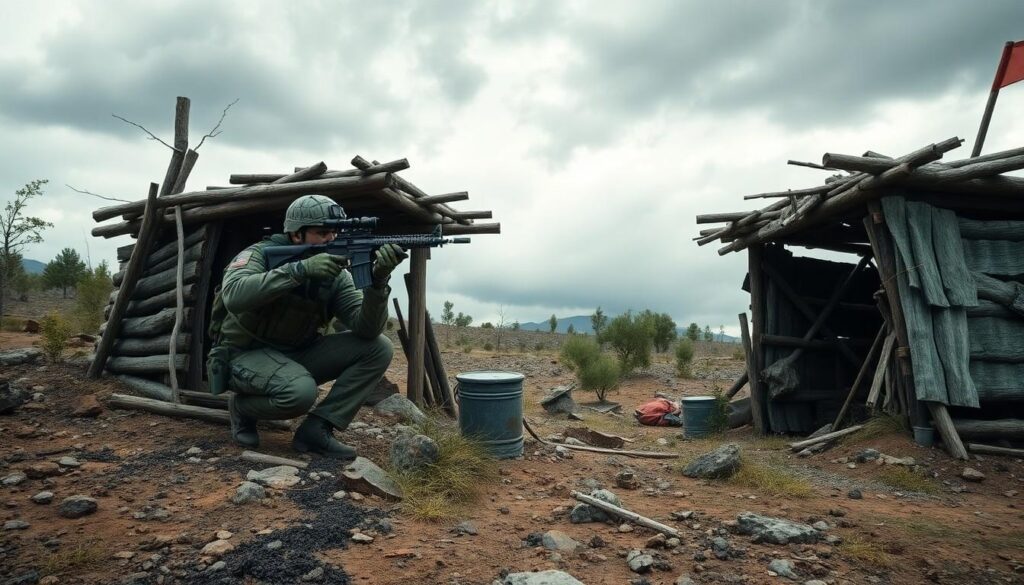

In the world of survival games, two titans stand tall: Rust and DayZ. Both offer heart-pounding experiences where players battle not just the environment but each other. Imagine a post-apocalyptic playground where building a fortress is just as critical as hunting down that pesky player who stole your last can of beans.
Overview of Rust and DayZ
Rust and DayZ stand out as key titles in the survival genre, each offering unique experiences. Players encounter intense competition and harsh environments in both games.
Game Development and Release
Rust launched in December 2013, developed by Facepunch Studios. It evolved from a simple concept to a complex environment, garnering a dedicated player base. DayZ, on the other hand, began as a mod for Arma 2 in 2012, later becoming a standalone game released in December 2018. Bohemia Interactive created a distinct atmosphere, mixing survival elements with open-world gameplay. Both titles have seen ongoing updates and community feedback, enhancing player experience.
Gameplay Mechanics Comparison
Rust emphasizes crafting, base building, and resource gathering. A variety of weapons and tools allows players to engage in combat and defend against others. In contrast, DayZ focuses heavily on realism and survival against zombies and other players. Players must manage health, food, and hydration levels. Rust features a more fast-paced environment while DayZ offers strategic gameplay revolving around patient exploration and survival tactics. Each title presents core mechanics that cater to different approaches to survival gaming.
Graphics and Visuals

Visual presentation plays a crucial role in Rust and DayZ, enhancing player immersion in their respective worlds.
Art Style and Aesthetic
Rust features a stylized art direction, combining realism with a unique aesthetic. Players experience vibrant landscapes alongside detailed environments that reflect a rugged natural world. DayZ adopts a more realistic approach, emphasizing gritty and somber visuals that enhance the survival atmosphere. Weather effects, lighting, and day-night cycles contribute significantly to the overall experience in both games, immersing players deeply. The character models in Rust appear more cartoonish, while those in DayZ focus on lifelike representations. This difference in artistic style caters to diverse player preferences across the survival gaming community.
Performance and Optimization
Performance and optimization impact gameplay significantly in both titles. Rust generally offers smooth frame rates even on mid-range systems, thanks to continuous updates focused on optimization. DayZ’s performance can fluctuate, especially in densely populated areas where numerous players interact simultaneously. Server configuration plays a vital role in optimizing DayZ performance. Players benefit from lower latency and better frame rates during intense scenarios in Rust due to a highly efficient game engine. Developers continuously monitor community feedback for both games, enabling improvements that enhance overall performance while maintaining visual fidelity.
Survival Elements
Survival elements play a crucial role in defining the experiences in both Rust and DayZ. Each game offers unique approaches to thriving in their harsh worlds.
Resource Management
Resource management stands at the core of survival in both games. Players in Rust gather resources by harvesting trees, stones, and ores to craft tools and construct bases. Building a robust inventory becomes essential. DayZ requires players to scavenge for food, water, and medical supplies, emphasizing the importance of managing hunger and hydration levels. Players must also maintain their health by finding bandages and medicine. In addition, each title presents varied resource scarcity, affecting strategies and decisions. Rust’s crafting system offers various recipes, while DayZ pushes players to scavenge diverse locations for essential supplies.
Combat System
The combat system significantly influences gameplay dynamics. In Rust, fast-paced encounters involve firearms and melee weapons, complementing the building of defenses and structures for safety. Players engage in raids and battles, providing an adrenaline-filled experience. Conversely, DayZ leans towards realism, where strategic planning and stealth often dominate. Fights can involve both zombies and other players, demanding careful positioning and resource management. Each game delivers an engaging combat experience; Rust’s combat encourages aggression, while DayZ rewards strategic thinking. Encounters impact survival chances and shape player interactions, ensuring a thrilling survival journey in both titles.
Community and Multiplayer Experience
The community and multiplayer experience in Rust and DayZ play a vital role in shaping gameplay dynamics. Both titles foster a unique environment where player interactions significantly impact survival strategies.
Player Interaction
Interaction among players varies notably between Rust and DayZ. Rust encourages aggressive play, leading to frequent encounters that can quickly shift from teamwork to combat. Players often team up to build strongholds, share resources, or fend off rival groups. DayZ, in contrast, promotes a more cautious approach, where interactions often involve negotiation or deception. Players might choose to cooperate for mutual survival but must remain wary of potential betrayals. Each player’s decisions influence relationships, creating a dynamic where alliances can forge or break in an instant.
Community Support and Modding
Community support enhances the longevity of both games. Rust benefits from active developer engagement and community feedback, resulting in regular updates that improve gameplay. Players contribute to forums, suggesting features or reporting issues. DayZ’s modding scene thrives, allowing players to create custom content, including new maps or game modes. This versatility attracts a dedicated following interested in expanding the game’s potential. Both communities foster a sense of belonging, encouraging players to share experiences, strategies, and creative modifications that enrich the gaming experience.
Conclusion
Rust and DayZ each carve out distinct niches within the survival gaming landscape. Rust captivates players with its fast-paced action and creative base-building mechanics. Its vibrant visuals and dynamic gameplay foster a competitive environment that keeps players engaged.
On the other hand, DayZ offers a more immersive experience rooted in realism. The emphasis on strategic survival against both zombies and other players creates a tension-filled atmosphere that appeals to those seeking a slower-paced challenge.
Ultimately, both games provide unique experiences that cater to different player preferences. Whether one prefers the adrenaline rush of Rust or the methodical survival tactics of DayZ, each title contributes significantly to the evolution of the survival genre.