
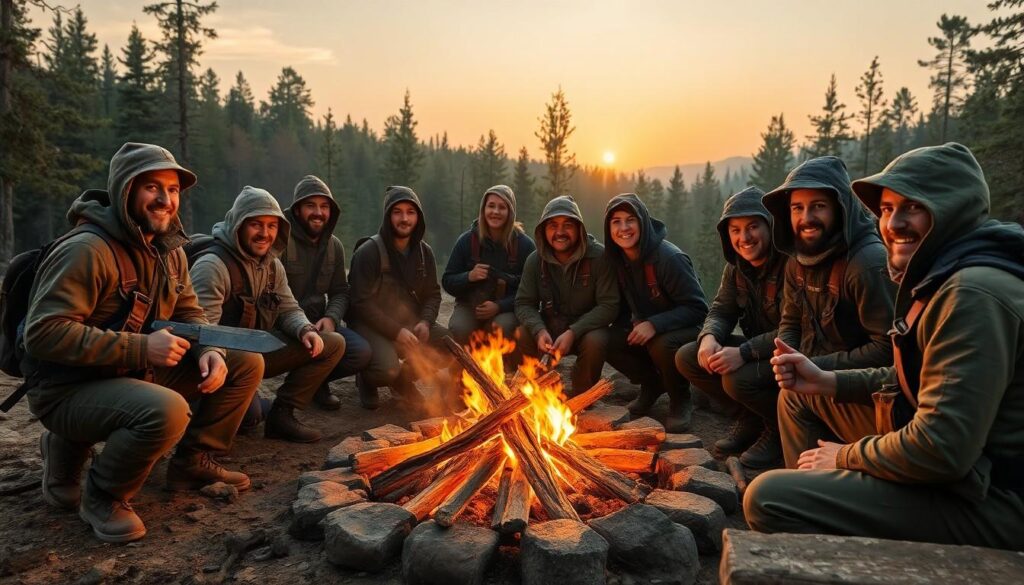

In the wild world of gaming, few experiences rival the thrill of surviving in Rust. Picture this: a barren landscape where every other player is a potential friend or foe, and every rock could be your ticket to glory—or your last breath. Rust players are the brave souls who dive headfirst into this chaotic adventure, armed with nothing but a pickaxe and a questionable sense of humor.
Overview of Rust Players
Rust players engage in a complex social environment that influences gameplay significantly. Survival instincts drive actions, pushing players to craft weapons and build bases while navigating treacherous landscapes. Cooperation and betrayal intertwine, leading to unpredictable alliances and rivalries.
The player base consists of diverse individuals, each contributing unique skills and strategies. Casual gamers enjoy the game’s humor, while competitive players focus on tactics and resource management. Community events and collaborations foster friendships, enhancing the overall experience.
Seasoned players often share tips and tricks that can improve new players’ journey. They create tutorials, stream gameplay, and engage in discussions across social media platforms. This knowledge-sharing cultivates a supportive environment where players help each other thrive.
Player motivations vary, including exploration, crafting, and combat. Some players prioritize gathering resources, while others aim for domination in PvP scenarios. Raiding enemy bases becomes a common activity for those seeking to establish their supremacy.
Communication plays a vital role in Rust. Players often use voice chat to strategize during intense moments or negotiate truces. This interaction can determine the outcome of encounters, fostering dynamic gameplay.
Rust’s community encourages creativity, prompting players to design their bases uniquely. Building structures ranges from minimalistic huts to elaborate fortresses, showcasing personal style and ingenuity. These efforts contribute to a shared world filled with rich narratives, formed by interactions among players.
Rust players embody resilience and adaptability. Their experiences shape the game, creating an ever-evolving atmosphere marked by collaboration, competition, and an enduring spirit of survival.
Gameplay Experiences

Rust players face an array of challenges that shape their gameplay experiences. The harsh environment demands strategic survival approaches and fosters unique interactions.
Survival Strategies
Survival strategies in Rust center on resource management and base building. Players gather materials like wood and stone to craft essential tools and weapons. Many prioritize creating secure bases for shelter, while others focus on fortifying existing structures. Effective players often scout for valuable resources, such as food or scrap metal, which enhance crafting capabilities. Engaging with wildlife adds another layer to survival; hunting offers food while also posing risks to health. Successful players adapt by learning which areas are safe and managing inventory wisely to sustain their gameplay.
Community Interaction
Community interaction significantly enriches the Rust experience. Players frequently engage in alliances and rivalries, forming groups to tackle challenges together. Voice chat serves as a primary tool for communication, allowing real-time strategizing and negotiation during raid situations. Friendly encounters can lead to unexpected trades or partnerships, while hostile interactions may spark intense confrontations. Many players participate in community events that encourage collaboration and creativity. Sharing experiences or tips builds camaraderie within the player base, making cooperation a rewarding part of the game.
Player Roles and Dynamics
Understanding player dynamics enhances the Rust experience. Players navigate complex interactions shaped by cooperation and competition.
Solo Players vs. Team Players
Solo players often embrace independence, enjoying self-reliance and unique gameplay experiences. They focus on individual strategies, scavenging resources and crafting essentials alone. Team players, on the other hand, thrive on collaboration, forming groups to tackle challenges efficiently. While solo players prioritize stealth and personal skill, team players emphasize communication and tactical planning. Different approaches emerge, with solo players valuing exploration while teams often engage in large-scale raids. In community events, teamwork amplifies creativity, showcasing the benefits of collaboration.
Role of PVP in Player Engagement
Player versus player (PVP) combat significantly influences player engagement within Rust. PVP interactions drive excitement, adding unpredictability to encounters. Engaging in combat can lead to valuable loot, motivating players to take risks. Tactical skills come into play as players devise strategies for raids, influencing their overall gameplay experience. PVP also cultivates rivalries and alliances, fostering a dynamic environment. Many players find that combat enhances their sense of adventure, while others use it as a way to establish dominance. Ultimately, PVP shapes player interactions, making it a cornerstone of the Rust community.
Rust’s Evolving Community
Rust’s community thrives on its diversity, bringing together players of all skill levels. New players face challenges, but veterans provide invaluable support and guidance.
New Players vs. Veterans
New players often experience steep learning curves, navigating a vast world filled with risks. Veterans, on the other hand, utilize their extensive knowledge to help newcomers. Players might encounter mentorship through community forums or in-game interactions. Casual players appreciate learning survival tactics, while competitive players sharpen strategies together. The blend of fresh perspectives and seasoned expertise enriches gameplay, making the environment welcoming and dynamic.
Impact of Updates on Player Behavior
Game updates significantly influence player dynamics and strategies. Each update introduces new mechanics or adjusts existing ones, prompting players to adapt quickly. Recent changes might encourage cooperative gameplay, as new crafting materials foster collaborative building projects. Changes in weapon effectiveness can lead to shifts in player combat styles. Regular patches maintain community interest and engagement, while seasonal events encourage players to explore different aspects of the game. Continuous evolution within Rust keeps the community active and excited, affecting how players interact in their pursuit of survival.
Conclusion
Rust players navigate a landscape filled with challenges and unpredictable encounters. Their experiences are shaped by a blend of cooperation and competition that defines the game’s social dynamics. Whether forging alliances or engaging in intense PVP combat, each player’s journey is uniquely theirs.
The community thrives on diversity and creativity, with seasoned players guiding newcomers through the complexities of survival. Regular updates and seasonal events keep the gameplay fresh, ensuring that every player finds something to engage with. In this ever-evolving environment, Rust players demonstrate resilience and adaptability, making the game a captivating experience for all.