
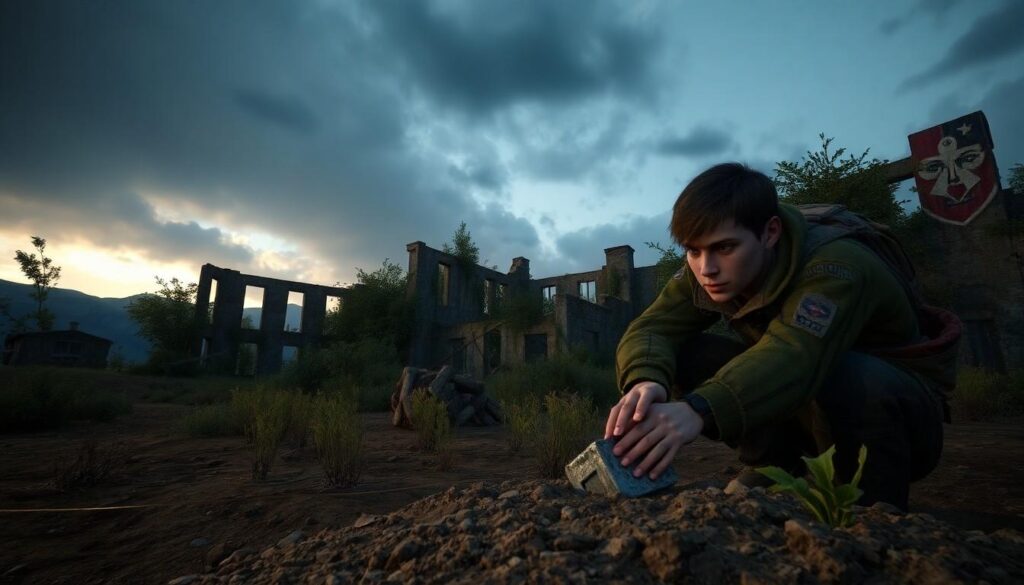

In the vast, unforgiving world of Rust, survival isn’t just about gathering resources or crafting weapons; it’s about diving headfirst into a rich tapestry of lore that adds depth to the chaos. Players often find themselves not just battling the elements and fellow survivors, but also unraveling the mysteries that lie beneath the surface. Who knew that a game about crafting and raiding could also be a treasure trove of storytelling?
From the enigmatic monuments scattered across the map to the whispers of long-lost civilizations, Rust’s lore is as intriguing as it is entertaining. It’s like a scavenger hunt for the mind, where each discovery leads to another question. So grab your pickaxe and prepare to dig deeper, because this isn’t just a game—it’s a world filled with stories waiting to be uncovered.
Overview of Rust Lore
Rust’s lore extends beyond basic survival mechanics, weaving a deeper narrative that enhances the gameplay experience. Players encounter remnants of past civilizations while exploring various monuments, which reveal stories and mysteries of an unknown history. Each scripted location, from abandoned buildings to rusted vehicles, contributes to a greater understanding of the game’s world.
The environmental storytelling makes players reflect on their surroundings. Unique artifacts and hidden notes scattered throughout the map provide insight into the lives of previous inhabitants. These elements create an immersive atmosphere, encouraging players to piece together the puzzle of what transpired.
Additionally, the lore connects players on an emotional level, fostering a sense of curiosity and adventure. Encountering enemy factions or other players often prompts discussions about the background of their shared environment. Thus, interactions become not just about survival but also about uncovering narratives.
Engagement with the lore often leads to a more fulfilling gameplay experience. Players who invest time in exploring these stories often report a richer, more connected experience. Known areas, such as the Launch Site or the Water Treatment Plant, serve as focal points for uncovering backstory, revealing ties between locations and their significance.
Rust successfully combines survival mechanics with an evolving narrative, making exploration essential. Those who delve into the lore discover additional layers of complexity, enhancing their overall enjoyment of the game. Each session brings potential encounters with the remnants of a once-thriving world, enticing players to explore further.
Origins of Rust Lore

Rust’s lore stems from its immersive world, creating a rich context for survival. Players uncover a backstory that enhances their experience and deepens their connection to the environment.
Historical Context
Rust features remnants of past civilizations, giving players insight into historical narratives. Monuments and artifacts scattered across the map serve as evidence of what once thrived. Players stumble upon structures that tell tales of human innovation and failure. Each location invites exploration, prompting players to investigate their significance. Notable sites like the Power Plant and Airfield reveal clues about former inhabitants and their struggles. The historical context shapes gameplay by providing layers of intrigue and context to the survival experience.
Cultural Significance
Cultural elements in Rust weave together a tapestry of player interactions and shared stories. The game fosters a community where players discuss theories about the lore and their personal experiences. Environmental storytelling conveys a sense of shared history among players. Players often engage in storytelling, exchanging narratives about their adventures and encounters with others. This cultural dialogue enriches the gameplay, uniting players through a common goal of survival and discovery. The significance of Rust’s lore lies in its ability to create a dynamic environment where culture and gameplay intertwine seamlessly.
Common Themes in Rust Lore
Rust’s lore deeply intertwines with survival and exploration, encouraging players to delve into an immersive experience. Players encounter various environments, each revealing clues about past inhabitants and their struggles. Exploration emphasizes finding resources but also uncovers narratives tied to specific locations. Known areas, such as the Launch Site and Power Plant, draw players in with their rich histories and potential stories waiting to be discovered. Engagement with these elements cultivates curiosity, adding depth to every journey.
Survival and Exploration
Survival thrives amid exploration in Rust. Players face challenges requiring resource management, yet they also unearth remnants of a vibrant history. Each monument encountered serves as a gateway to storytelling, blending gameplay with discovery. Daring adventurers often seek abandoned structures for loot but find clues leading to past civilizations. Faction interactions also spark conversations about their histories, turning survival into a shared quest for knowledge.
Secrets of the Environment
Secrets lie hidden throughout Rust’s expansive world. Environmental storytelling captures attention by providing context behind structures and artifacts. Each location tells a unique tale through visual cues and remnants of past lives. Elements like rusted machinery and graffiti evoke a sense of intrigue, hinting at historical narratives that shaped the surroundings. Players gradually piece together these stories, creating a richer understanding of the game’s world. Knowledge gained from this exploration enhances the gameplay experience, fostering an engaging atmosphere for all players.
Notable Characters and Entities
Rust’s lore features a variety of characters and entities that shape the survival experience. Players encounter both the survivors striving for dominance and the raiders eager to claim resources.
Survivors and Raiders
Survivors embody resilience; they navigate the harsh landscape, forging alliances and battling threats. Individual players often engage in cooperative strategies to ensure survival, gathering necessary resources and building strongholds. Raiders, on the other hand, introduce unpredictability; their aggressive tactics disrupt player interactions, creating tension and conflict. Groups of raiders frequently target established bases, prompting defenders to strategize effectively. This dynamic between survivors and raiders fuels competition, resulting in rich storytelling opportunities throughout the game.
The Role of Nature
Nature plays a pivotal role in Rust’s lore, providing both beauty and danger. The environment teems with challenges; players must contend with wildlife and weather conditions that affect their survival. Numerous biomes exist, each presenting unique resources as well as threats. For instance, expansive forests offer shelter but hide ferocious predators. The vast oceans provide food but can also drown the unprepared. Players frequently rely on environmental cues to navigate and adapt, blending survival instincts with an appreciation of nature’s complexity. These interactions deepen players’ engagement, as they learn to respect and exploit the natural world within Rust.
Community Engagement with Rust Lore
Players immerse themselves in Rust’s lore, engaging with a vibrant community that thrives on storytelling and speculation. The blend of gameplay and narratives creates opportunities for interaction and shared experiences.
Fan Theories and Speculations
Fans actively develop theories surrounding Rust’s mysterious backstory. Engaging players, these theories often explore the origins of monuments and lost civilizations scattered throughout the world. Players document their findings in forums, sharing insights and interpretations that enhance the overall narrative. Speculations around the significance of sites like the Launch Site and Power Plant spark lively discussions, fueling curiosity about the in-game universe. The community thrives on these connections, as each new theory adds depth to the gameplay experience.
Storytelling in the Rust Community
Community storytelling flourishes within the game, with players recounting adventures or discoveries from their sessions. Sharing tales about encounters with raiders or exploring abandoned locations fosters camaraderie and connection among players. Blogging and streaming platforms amplify these narratives, allowing players to share experiences and engage with wider audiences. Players provide varied perspectives on the lore through storytelling, enriching the community’s understanding of Rust’s evolving narrative. These stories help shape a shared history, making every interaction within the game more meaningful and engaging.
Conclusion
Rust’s lore transforms the gaming experience into a captivating journey of survival and discovery. Players find themselves not just scavenging for resources but also piecing together the rich narratives embedded in the environment. Each monument and artifact serves as a portal to the past, inviting exploration and fostering curiosity.
The interplay between players and the remnants of lost civilizations deepens their connection to the game world. As they navigate the challenges of survival, they also engage in a shared quest for knowledge and adventure. This dynamic storytelling aspect encourages community interaction, as players exchange theories and experiences that further enrich Rust’s evolving narrative.
Ultimately, the lore of Rust elevates gameplay, making every session an opportunity to uncover hidden stories and connect with fellow players in a vibrant storytelling culture.