
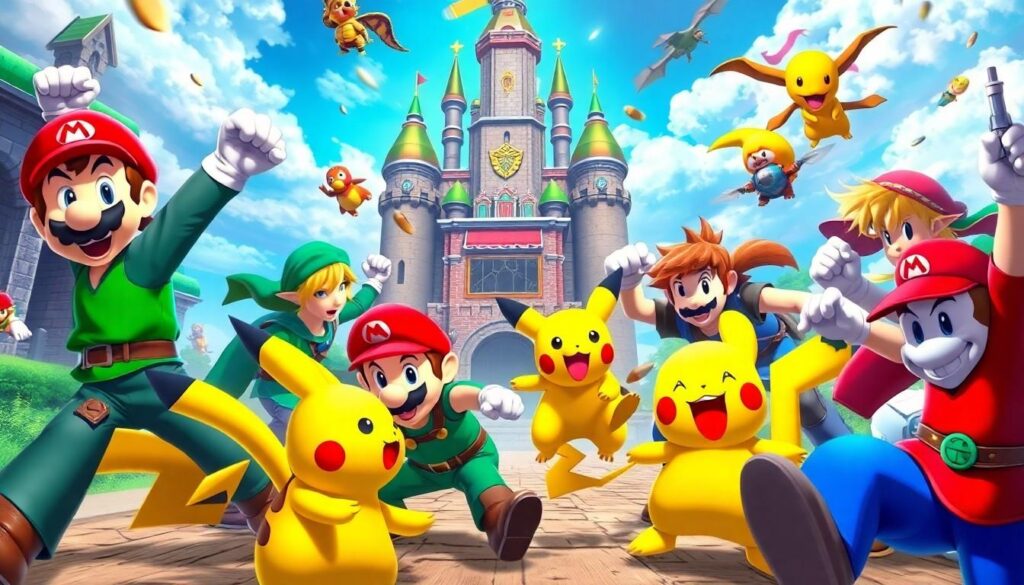

In a world where gaming was still finding its footing, the Nintendo 64 burst onto the scene with a title that would redefine multiplayer mayhem: Super Smash Bros. Picture this: iconic characters like Mario, Link, and Pikachu battling it out in epic showdowns, all while your friends cheer or throw the occasional controller in frustration. It’s the kind of chaos that turns casual gamers into fierce competitors faster than you can say “Game Over.”
Overview of N64 Super Smash Bros
N64 Super Smash Bros. marked a pivotal moment in gaming, introducing a crossover battle format featuring beloved characters from Nintendo’s roster. Players engage in frantic combat, utilizing iconic figures like Mario, Link, and Pikachu, each with unique abilities and signature moves. The game’s design emphasizes multiplayer interaction, making it a favorite among friends and family.
Unique gameplay mechanics set N64 Super Smash Bros. apart from traditional fighting games. It utilizes an innovative health system, where players aim to knock opponents off the stage rather than depleting a health bar. Different arenas provide vibrant backdrops for combat, each with distinct hazards and features contributing to strategic gameplay.
Character selection offers diversity, allowing players to experiment with varying fighting styles. Starting with an initial roster of 12 characters, players could unlock four additional fighters, enhancing the game’s replayability. Engaging in battles across different settings cultivated a dynamic gaming experience, appealing to both casual gamers and competitive players.
The influence of N64 Super Smash Bros. extends beyond its initial release. It laid the foundation for a franchise that continues flourishing today, with sequels consistently attracting new audiences. Iconic mechanics and beloved characters stay ingrained in gaming culture, promoting community events like tournaments and conventions.
Cultural impact resonates, as players revisit nostalgia while introducing new gamers to the series. Super Smash Bros. contributed significantly to Nintendo’s identity, demonstrating the power of crossovers in creating memorable gaming experiences. Its legacy remains influential, solidifying its place in the history of video games.
Gameplay Mechanics

N64 Super Smash Bros. features engaging gameplay mechanics that enhance the multiplayer experience. The game’s unique approach to character selection and fighting styles adds depth to combat.
Character Selection
Character selection spans a diverse roster of 12 fighters at the start, including Mario, Link, and Pikachu. Players can unlock four additional characters, expanding the strategic options. Each character boasts unique abilities and signature moves, allowing players to tailor their experiences. The diverse roster accommodates various playstyles, ensuring that every player finds a character to resonate with. Familiarity with various throw and smash attacks encourages experimentation and mastery.
Fighting Styles
Fighting styles vary greatly among the characters, creating dynamic gameplay. Some characters emphasize close-range combat, while others excel in ranged attacks or projectiles. Each fighter’s speed, strength, and agility affect how players engage in battles. Players might find that mastering a specific fighting style enhances their chances of competitive success. Coordinating attacks, dodging, and utilizing environmental hazards require different strategies. The game rewards players who adapt to their opponents’ strengths and weaknesses, promoting a continually evolving combat experience.
Graphics and Design
N64 Super Smash Bros. features a distinctive graphic style that enhances its appeal. The combination of vibrant colors and simple yet effective textures creates an engaging visual experience.
Visual Presentation
Visual elements incorporate a whimsical art style that complements the game’s entertaining nature. Character animations exhibit fluid movements that showcase each character’s unique personality. Backgrounds within stages provide an array of environments, from the serene landscape of Hyrule Castle to the bustling atmosphere of Peach’s Castle. Each setting serves as an interactive arena, filled with dynamic elements that affect gameplay. This thoughtful design successfully amplifies the chaos of multiplayer battles, drawing players into action-packed brawls.
Character Models
Character models in N64 Super Smash Bros. represent iconic Nintendo figures with distinct designs. Each fighter boasts a recognizable silhouette, making identification easy during intense matches. Facial expressions enhance the overall personality, adding charm to characters like Mario, Pikachu, and Donkey Kong. Model details vary, with some characters featuring more defined textures, while others maintain simplicity to fit the aesthetic. Unique costume variations offer players countless ways to connect with their favorite heroes, ensuring that each character feels unique in the game.
Soundtrack and Audio
Soundtrack and audio play crucial roles in enhancing the gaming experience of N64 Super Smash Bros. The music and sound effects contribute significantly to the game’s unique atmosphere.
Music Composition
Music composition features iconic tracks that resonate with players. Composers utilized familiar melodies from various Nintendo franchises, infusing nostalgia into each battle. Iconic themes, such as those from Mario and Zelda, blend seamlessly with original compositions designed for specific stages. Players enjoy the dynamic shifts in music during intense moments, amplifying the excitement. Tracks adapt to the pace of the action, ensuring engagement remains high throughout matches. Overall, the soundtrack elevates emotional connections, cementing memorable moments within fights.
Sound Effects
Sound effects add depth and realism to the gameplay. Distinctive sounds accompany every attack, bringing characters’ moves to life. Players hear satisfying impacts when they land a hit, enhancing the feeling of competition. Additionally, unique sound cues signify special abilities and power-ups, guiding players through strategic decisions. Environmental sounds, such as cheers from the audience, further immerse players in the game. The combination of rich audio elements creates an entertaining sensory experience, strengthening the game’s multiplayer dynamic.
Community and Legacy
N64 Super Smash Bros. fostered a vibrant community, influencing both social and competitive gaming environments.
Competitive Scene
Tournaments emerged soon after the game’s release, drawing passionate players and spectators. Events, ranging from local competitions to larger-scale gatherings, showcased extraordinary skills and strategies. Community platforms like forums and Twitch allowed players to share techniques and engage with one another. Competitive play emphasized mastering character abilities and understanding stage dynamics. Many players now regard Super Smash Bros. tournaments as highlights of the gaming calendar. The rise of esports also saw this title integrated into competitive fighting game circuits, increasing its fame.
Influence on Future Games
N64 Super Smash Bros. set the standard for crossover fighting games, inspiring numerous sequels and spin-offs. The series introduced mechanics such as unique character abilities and stage hazards, which future titles adopted. Developers now consider the importance of multiplayer experiences in their design choices. Other franchises mirrored the character roster concept, creating similar environments where iconic characters from various universes clash. Its legacy also encouraged innovation in gameplay mechanics across genres, showing that ensemble casts can enhance player engagement. The impact transcended Nintendo, establishing a lasting influence on the gaming landscape.
Conclusion
N64 Super Smash Bros. remains a cornerstone of gaming history. Its unique blend of beloved characters and engaging multiplayer mechanics transformed the way players interact with fighting games. The vibrant graphics and memorable soundtrack enhance the overall experience, making battles not just competitive but also visually and audibly captivating.
The community that formed around the game has grown and evolved, leading to a thriving competitive scene that celebrates skill and strategy. As a pioneer in crossover gaming, it set a benchmark that continues to inspire developers and delight fans. Super Smash Bros. is more than just a game; it’s a cultural phenomenon that has left an indelible mark on the gaming world.