
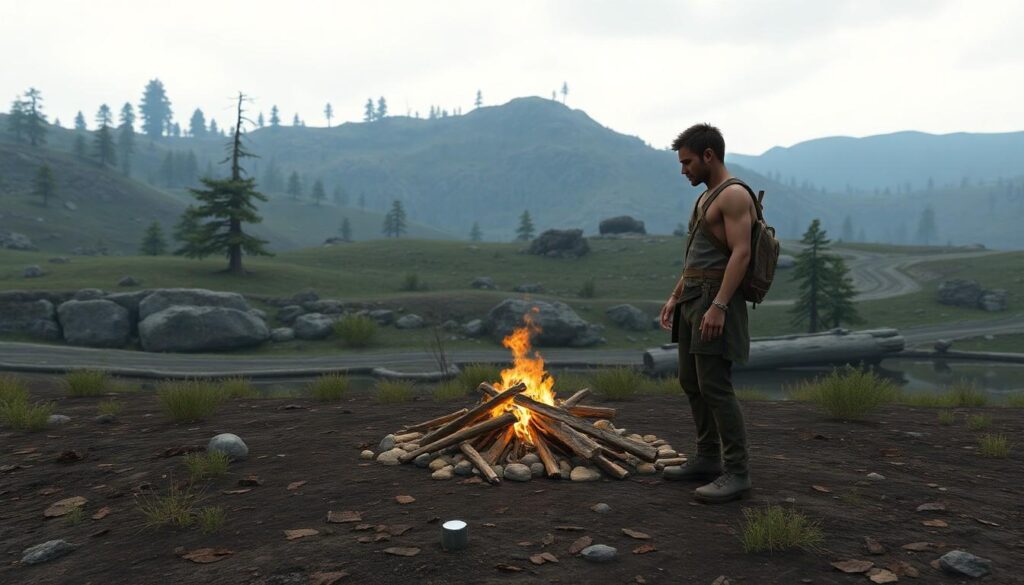

In a world where survival games reign supreme, Rust stands out as a brutal playground for the bold. Players often find themselves asking, “Does Rust have single player?” It’s a question that sparks curiosity and perhaps a hint of desperation for those who prefer to dodge the chaos of multiplayer mayhem. After all, who wants to get sniped while trying to figure out how to craft a campfire?
Overview of Rust
Rust is a multiplayer survival game set in a harsh open world. Players must navigate this environment filled with challenges and threats to survive. Crafting tools, building shelters, and gathering resources form the core gameplay elements. Each aspect attracts players looking for a test of skill and resourcefulness.
Multiplayer interactions often define the Rust experience. Players can form alliances or engage in combat with others. These interactions can create tension, making survival more intense. However, some players seek a less chaotic experience, prompting questions about single-player options.
Rust doesn’t offer a traditional single-player mode. Players can access unofficial servers, which sometimes feature limited-player counts. Custom mods also enable a more solitary experience, allowing users to engage in gameplay without constant competition. These alternatives cater to those who prefer a quieter approach to learning game mechanics and survival strategies.
While the absence of a dedicated single-player mode persists, players find creative solutions to enjoy Rust. Private servers provide a controlled environment where individuals can practice without pressure. Building a basic campfire or hunting wildlife remains essential for survival. Players can explore without the fear of being sniped or ambushed.
Skill development becomes an individual journey within this mainly multiplayer framework. Players can experiment with various gameplay strategies at their own pace. Ultimately, the game’s design focuses on interpersonal dynamics, while still allowing for isolated gameplay experiences through custom options.
Single Player Experience in Rust

Rust primarily focuses on multiplayer gameplay, yet players pursue solo experiences through alternative methods. Unofficial servers with limited-player counts offer opportunities for a more relaxed environment.
Gameplay Mechanics
Exploring gameplay mechanics in Rust involves survival elements fundamental for any player. Crafting tools and gathering resources play vital roles in progressing through the game. Building shelters protects players from environmental hazards and hostile threats. Players can venture into the wilderness to hunt wildlife for food and materials. Engaging in resource management adds depth, making strategic decisions crucial. In solo play, players learn to navigate these mechanics without the pressure from others, enhancing their overall understanding of the game.
Challenges of Solo Play
Facing challenges in solo play can test a player’s resilience. The absence of allies means dealing with threats alone, including wildlife and other players. Finding essential resources often becomes a significant hurdle, requiring patience and determination. Crafting advanced gear may take longer without the collaboration of a team. Additionally, hostile players may pose greater risks, leading to potential frustration. Adjusting to these circumstances encourages players to adopt new strategies, ultimately enhancing their skills in a demanding environment. While Rust emphasizes multiplayer interaction, solo players must adapt to thrive in its unforgiving landscape.
Community and Multiplayer Focus
Rust thrives on its dynamic community and multiplayer interactions. The game’s design fosters cooperation and conflict among players, creating a rich tapestry of social experiences.
Social Dynamics
Social dynamics in Rust shape the gameplay experience significantly. Players often choose to ally with others, forming groups to increase survival chances. Alliances can lead to shared resources and protection against threats. Conversely, rivalries emerge as players compete for scarce resources. Engaging with multiple players fosters a continuous cycle of negotiation, trust-building, and betrayal. Communication tools like voice chat enhance these interactions, allowing for strategic planning and deception. Each encounter in Rust contributes to a player’s understanding of relationships in a survival context.
Player Interactions
Player interactions define the essence of Rust’s appeal. Approaching other players can lead to cooperation or conflict, adding layers to survival strategy. Players may initiate trades for critical resources, opening up opportunities for mutual gain. Encounters often bring unexpected twists, such as surprise attacks or friendly assistance. These interactions keep the gameplay unpredictable, driving players to adapt their strategies constantly. The need for diplomacy or conflict resolution introduces depth, making each interaction a vital part of the Rust experience. In essence, player dynamics enrich the game, ensuring that no two sessions feel the same.
Alternatives to Single Player
Rust lacks a traditional single-player mode, yet alternatives exist for players seeking a solitary experience.
Mods and Custom Servers
Mods and custom servers provide a viable workaround for those wanting a less chaotic environment. Various community-created mods enhance gameplay, enabling players to tailor their experience. Private servers often limit player counts, creating a space devoid of external threats. Players can practice crafting, building, and resource gathering without interruption. These customized settings allow individuals to develop skills at their own pace. Unique mods may introduce features like increased resource availability or simplified mechanics. Engaging with these options creates a bridge to the core Rust experience while prioritizing personal comfort.
Other Survival Games
Players might explore other survival games if Rust’s multiplayer focus feels overwhelming. Titles like “ARK: Survival Evolved” and “Subnautica” offer engaging single-player experiences. These alternatives emphasize crafting, exploration, and resource management, similar to Rust but without intense player interactions. “The Forest” presents a unique survival challenge set in a mysterious environment where crafting and building play crucial roles. Each of these games allows for skill development in a controlled manner. Solo players can enjoy the thrill of survival without the risk of player-versus-player confrontations, appealing to a broader audience.
Conclusion
Rust’s design inherently prioritizes multiplayer interactions, creating a vibrant yet challenging environment. While it lacks a traditional single-player mode, players can still find ways to enjoy a more solitary experience through unofficial servers and custom mods. These alternatives allow for practice and skill development without the pressure of constant competition.
For those who prefer a quieter survival experience, exploring other games that cater to single-player gameplay might be the best option. Titles like ARK: Survival Evolved and Subnautica offer similar mechanics without the intensity of Rust’s multiplayer dynamics. Ultimately, players can choose the experience that best suits their gameplay style while still embracing the survival genre.